

India’s well-known destinations like the Taj Mahal, Goa beaches, and Himalayan hill stations attract millions every year. However, for offbeat travelers seeking solitude, authentic experiences, and untouched natural beauty, the country offers numerous hidden gems that remain blissfully uncrowded even in 2026. These lesser-explored destinations provide a perfect escape from mass tourism, allowing visitors to immerse themselves in local culture, pristine landscapes, and unique traditions.
This guide highlights some of the most rewarding offbeat places across India, ideal for adventurers, nature lovers, and culture enthusiasts who prefer meaningful journeys over crowded hotspots.
1. Ziro Valley, Arunachal Pradesh
Nestled in the Eastern Himalayas, Ziro Valley is a UNESCO tentative World Heritage Site famous for its lush rice paddies, misty hills, and the vibrant Apatani tribe. The valley’s unique bamboo huts on stilts and traditional tattooed faces of the older Apatani women offer a rare cultural experience.
Travelers can trek through pine forests, visit local villages, and attend the annual Ziro Music Festival. The cool climate and serene environment make it perfect for those seeking peace and offbeat photography. Best visited between September and November, Ziro rewards visitors with unmatched tranquility and authentic Northeast Indian hospitality.
2. Tirthan Valley, Himachal Pradesh
Tirthan Valley stands as one of the most peaceful alternatives to the overcrowded Kullu-Manali circuit. Located near the Great Himalayan National Park, it features crystal-clear rivers, dense cedar forests, and excellent trekking trails.
The valley is ideal for trout fishing, riverside camping, and village homestays that offer home-cooked meals. Wildlife enthusiasts can spot Himalayan monal and other rare species. Its eco-friendly ethos and limited commercial development preserve its charm, making it a favorite among responsible travelers looking for sustainable experiences in the Himalayas.
3. Majuli Island, Assam
Majuli is the world’s largest river island on the Brahmaputra River. This unique cultural hub is home to over 20 Satras (Vaishnavite monasteries) that preserve ancient dance forms, mask-making, and manuscript painting traditions.
Visitors can cycle through the island’s villages, watch traditional performances, and experience the simple rural lifestyle of the Mishing tribe. Majuli’s wetlands attract migratory birds, offering excellent birdwatching opportunities. The island’s fragile ecosystem and slow pace of life provide a deeply reflective travel experience, best explored between November and March.
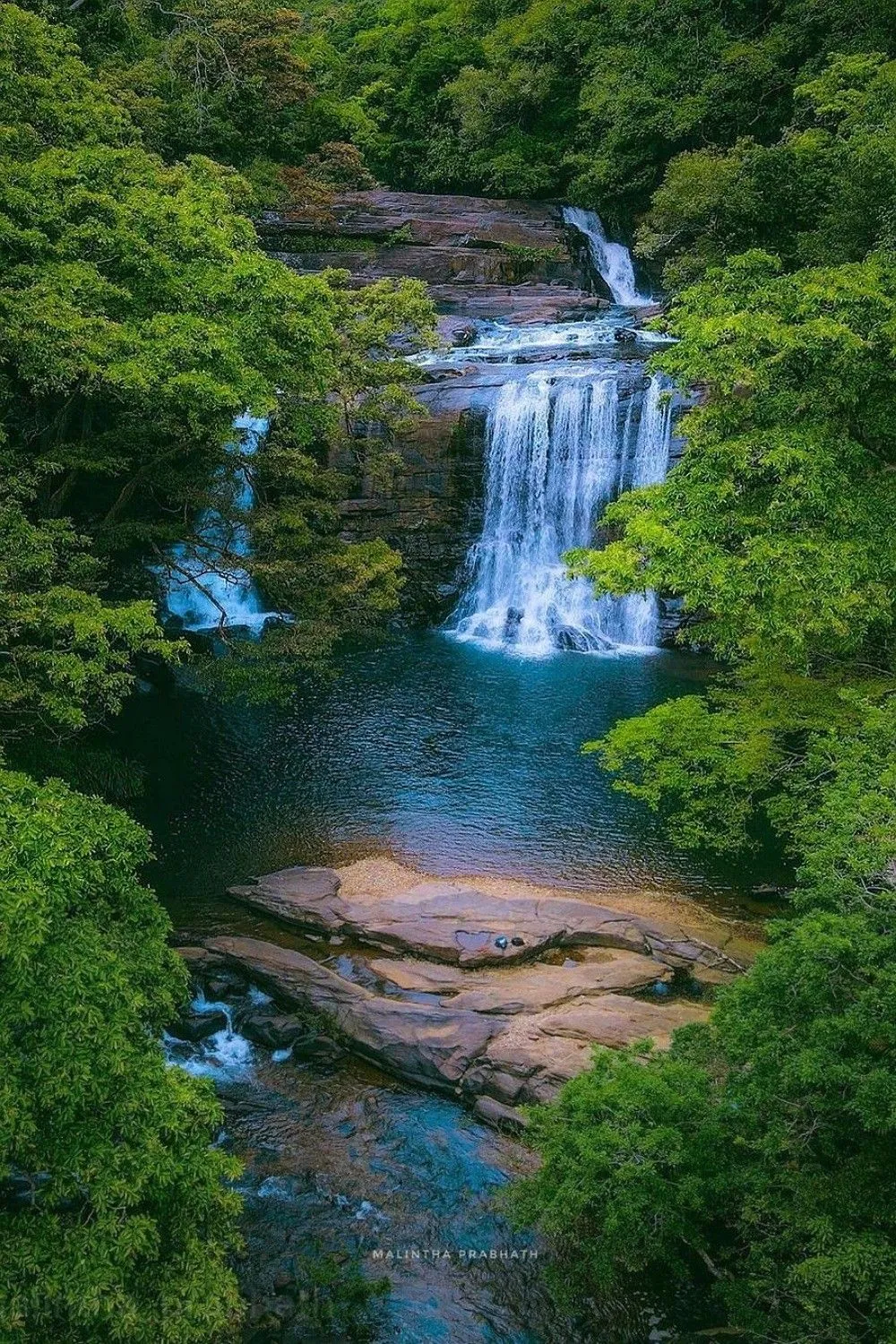
4. Gurez Valley, Kashmir
Often called the “Hidden Kashmir,” Gurez Valley lies close to the Line of Control and features dramatic landscapes with the Kishanganga River flowing through it. Surrounded by snow-capped peaks, it offers breathtaking views of the Himalayan range and traditional wooden houses of the Dard Shin tribe.
Trekking to the frozen lakes in winter or exploring meadows in summer reveals the valley’s pristine beauty. Its isolation has helped preserve local culture and natural environment, making it perfect for travelers seeking raw, untouched Himalayan scenery away from the usual tourist trails of Srinagar and Gulmarg.
5. Chitkul, Himachal Pradesh
Known as the last inhabited village on the Indo-Tibetan border, Chitkul in the Kinnaur district offers dramatic mountain vistas, the Baspa River, and ancient wooden temples. The village sits at an altitude of around 3,450 meters, providing stunning views of the surrounding peaks.
Trekkers can explore nearby trails leading to glacial lakes and high-altitude meadows. The limited number of guesthouses and homestays ensure a quiet stay with opportunities to interact with the local Kinnauri community. Its remoteness and raw natural beauty make it one of the most rewarding offbeat destinations in the Indian Himalayas.
6. Little Rann of Kutch, Gujarat
This vast salt marsh desert is a unique ecosystem famous for the endangered Indian wild ass. Unlike the more popular Greater Rann, the Little Rann offers a more intimate wildlife experience with fewer visitors.
Jeep safaris at sunrise and sunset provide excellent chances to spot flamingos, cranes, and other migratory birds. The stark white landscape creates surreal photographic opportunities, especially during the full moon. Local villages offer insights into traditional salt farming and handicrafts, adding cultural depth to the visit.
7. Dibang Valley, Arunachal Pradesh
One of the most remote and biodiverse regions in India, Dibang Valley is home to the Mishmi Hills and dense tropical forests. It boasts rich wildlife, including clouded leopards, takins, and a variety of orchids.
The valley offers challenging treks, hot springs, and opportunities to experience the indigenous Idu Mishmi culture. Its extreme remoteness ensures very limited tourism, making it ideal for serious adventurers and nature photographers seeking pristine wilderness.
8. Chopta, Uttarakhand
Often referred to as the “Mini Switzerland of India,” Chopta provides panoramic views of the Himalayan peaks, including Nanda Devi and Trishul. This high-altitude meadow is the starting point for the Tungnath Temple trek — the highest Shiva temple in the world.
The surrounding Kedarnath Wildlife Sanctuary offers excellent birdwatching and short nature walks. Its accessibility combined with low tourist footfall makes Chopta perfect for budget travelers and those seeking Himalayan serenity without the crowds of more popular destinations.
Practical Tips for Offbeat Travel in India
- Best Time to Visit: Research seasonal weather patterns carefully, as many of these places have limited accessibility during monsoons or heavy winters.
- Sustainable Practices: Choose homestays over large resorts, support local guides, and follow the “leave no trace” principle to preserve these fragile destinations.
- Permits and Connectivity: Some areas like Arunachal Pradesh and border regions require Inner Line Permits. Mobile connectivity can be poor, so download offline maps and inform someone about your itinerary.
- Responsible Tourism: Respect local customs, dress modestly in tribal areas, and avoid single-use plastics to help maintain the pristine nature of these hidden places.
Final Thoughts
India’s hidden destinations offer far more than scenic beauty — they provide opportunities for genuine cultural exchange, personal reflection, and reconnection with nature. Places like Ziro Valley, Tirthan Valley, Majuli, and Gurez Valley represent the soul of offbeat India that remains largely untouched by commercial tourism.
For travelers tired of overcrowded destinations, these hidden gems deliver authentic experiences that create lasting memories. As interest in sustainable and meaningful travel grows in 2026, visiting these places responsibly helps preserve them for future generations while supporting local communities.
Pack your sense of adventure, respect local traditions, and prepare for journeys that go beyond typical tourist checklists. India’s offbeat treasures await those willing to venture beyond the obvious.
Read more – tripfleeting.com