
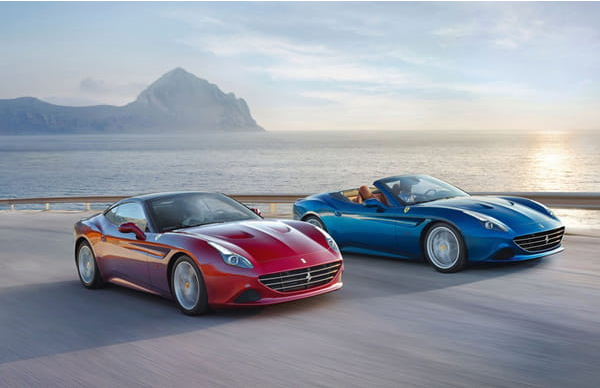
A supercar can become one of the strongest visual elements in a fashion campaign, music video, commercial, or editorial shoot. Its design can add character to a production, but the vehicle also introduces practical responsibilities. Location access, crew movement, weather, permissions, and return timing all need to be considered before cameras begin rolling.
The car should support the creative idea without slowing the production. A clear plan protects both the vehicle and the shooting schedule.
Start with the Visual Concept
The creative team should decide why the supercar is needed before selecting a model. A dark, understated vehicle may suit a formal campaign, while a brighter color or dramatic profile may work better for fashion, entertainment, or product imagery.
Teams comparing Luxury car rentals Cape Town should prepare reference images showing the desired mood, wardrobe, lighting, and location. This helps confirm that the vehicle complements the concept rather than competing with it.
The exact color and body style should be confirmed if they are essential to the final images.
Explain the Intended Use Before Booking
A production booking is different from an ordinary leisure rental. The rental provider should know whether the car will appear in static photographs, moving footage, interior scenes, or repeated repositioning.
Ask who is permitted to drive and whether every driver must be approved in advance. A performer, photographer, or production assistant should not move the vehicle unless authorized under the rental agreement. Assigning one approved driver keeps responsibility clear and avoids confusion during a busy shoot.
Build the Shot List Around Efficient Movement
Repeatedly moving a supercar can waste time and increase the risk of minor damage. Group similar shots together. Complete exterior wide shots first, then close details, interior scenes, and any approved motion footage.
Before arranging a Supercar Rental Cape Town, the production team should confirm how much space the location provides for turning, parking, and equipment. Low vehicles may require extra care on steep entrances, rough surfaces, or large speed bumps.
A well-ordered shot list reduces unnecessary repositioning and helps the crew finish within the rental window.
Choose a Controlled Location
A visually impressive location may still be unsuitable if it has public traffic, limited parking, or no secure area for the vehicle. Private venues are often easier to manage because access, timing, and background activity can be controlled.
Check whether commercial photography or filming requires permission from the property owner or local authority. Arrange approvals before collection rather than assuming that public access automatically allows a professional shoot.
The location should also have a safe area where the car can remain between setups.
Protect the Bodywork and Interior
Crew members should never place camera bags, light stands, clothing racks, or drinks on the vehicle. Jewelry, belt buckles, zippers, and hard footwear can mark paint or interior trim during close scenes.
Use clean hands and suitable cloths when removing fingerprints. Do not attach decorations, tape, magnets, or branded materials without approval. If a model will sit on or lean against part of the vehicle, that pose should be discussed before the shoot.
Food and drinks should remain away from the cabin.
Prepare for Weather and Lighting Changes
Cape Town weather can shift during an outdoor production. Wind may affect clothing, reflectors, and unsecured equipment, while sudden cloud cover can change continuity between shots.
Create a backup setup that can be completed under cover or inside a controlled venue. Photograph important exterior angles early when conditions are favorable. Continuity reference images should record window positions, mirrors, seat settings, and props between scenes.
Leave Time for Reset and Return
The final shot should not be scheduled at the exact return time. The crew needs time to remove props, inspect the cabin, collect equipment, and restore the vehicle to its original condition.
Confirm the fuel requirement, mileage allowance, and handover point before production day. A final walk-around can identify forgotten items and prevent a rushed return.
Conclusion
A supercar can elevate a Cape Town fashion or film shoot when careful logistics supports creative ambition. Clear permissions, an efficient shot list, controlled access, approved drivers, and respectful vehicle handling can protect both the production and the rental. Extra time for weather changes and final inspection also keeps the schedule professional. With organized preparation, Cape Town Luxury Car Rentals can help creative teams use a distinctive vehicle as part of a polished and responsibly managed production.