
 There are many famous trekking routes in the world, but the Everest region has a feeling that is hard to copy. The mountains are huge, the villages are remote, and the trail slowly takes you into a world that feels far away from normal life.
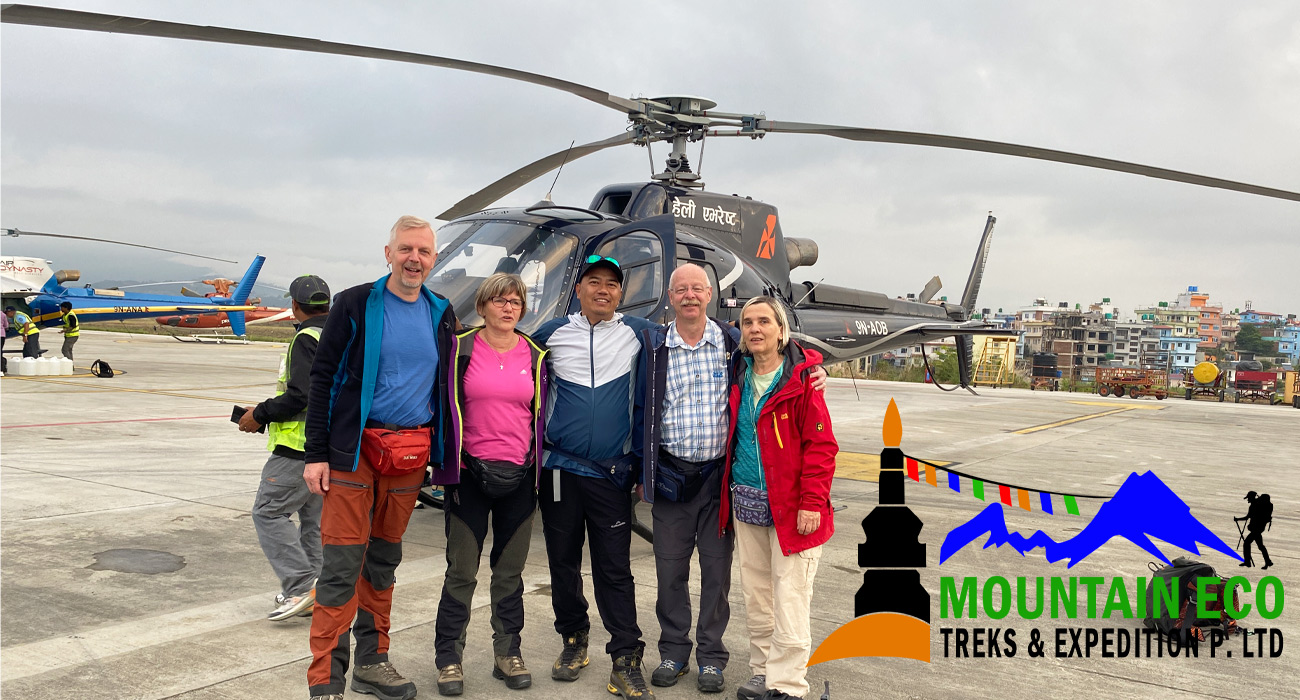
The Everest Base Camp Trek With Helicopter Return gives travelers enough time to experience that world on foot. You walk through the Khumbu, spend time in mountain villages, and reach Everest Base Camp before returning by helicopter when conditions are safe.
The result is not just a trip to see Everest. It is a chance to experience the character of the region.
The Khumbu Feels Different From the Start
The first thing you may notice is how quickly the surroundings change.
After leaving the busy parts of Nepal behind, the mountain landscape begins to take over. Hills rise around the trail, rivers cut through valleys, and small settlements appear along the route.
There is a sense of distance that is difficult to find in everyday life.
Roads Give Way to Footpaths
Much of the journey depends on walking.
Instead of sitting in a vehicle for hours, you move through the landscape at your own pace. This lets you notice details that would otherwise pass by quickly.
You can hear a river before seeing it. You can watch clouds move across a peak. You can stop when a viewpoint catches your attention.
That slower pace is part of the attraction.
Mountain Life Is Built Around the Landscape
The people living in the Everest region have adapted to an environment that can be difficult.
Homes, paths, farms, shops, and lodges all have to work with steep land and changing weather.
Villages Show a Different Way of Living
Walking through a mountain village gives you a small window into local life.
You may see people carrying supplies, preparing food, working around their homes, or helping visitors.
Simple things can seem interesting because they happen in a setting surrounded by giant mountains.
The village is not just a stop on your itinerary. It is part of the living Khumbu.
The Mountains Have More Than One Face
Everest gets most of the attention, but the region is filled with other impressive peaks.
Ama Dablam, Lhotse, Nuptse, Thamserku, and many other mountains create the backdrop throughout the trek.
Every Viewpoint Tells a Different Story
A mountain can look completely different depending on where you stand.
One viewpoint may show a sharp peak against the sky. Another may reveal a wide valley with several mountains rising together.
This is why the trail remains interesting even when you have already seen famous photographs of the region.
The scenery keeps changing because you keep moving.
The Trail Teaches You to Slow Down
At home, walking is often something you do to reach another place.
In the Himalayas, walking becomes the activity itself.
You may spend hours moving along a trail without feeling the need to hurry.
Progress Can Be Measured in Small Steps
A steep climb may take longer than expected.
Instead of worrying about the distance remaining, focus on the section directly ahead.
Take a few steps, breathe, and continue.
This approach can make a demanding day feel much more manageable.
It also helps you notice the surroundings instead of spending the whole day thinking about the finish.
Cold Weather Changes Simple Things
As you climb higher, the temperature can become a bigger part of your daily routine.
A warm drink feels better. Dry gloves matter more. Getting into a warm sleeping bag at night can feel like a reward.
Pack for Practical Comfort
Good layering is useful because temperatures can change during the day.
You may feel warm while walking uphill and cold when you stop.
Keep important layers easy to reach rather than packed deep inside your bag.
Small choices like this can make long days more comfortable.
The Higher You Go, the More Care Matters
Altitude is one of the main challenges of an Everest Base Camp trek.
Your body has to adjust as you climb higher. You may notice that normal activities require more effort.
Listen to Your Body
Do not treat altitude like a test of toughness.
If you feel unwell, tell your guide. Follow the planned acclimatization schedule and avoid rushing upward.
A careful approach gives you a better chance of enjoying the journey instead of spending it fighting exhaustion.
The Trail Becomes Part of Your Story
After several days, you start remembering the route through personal moments.
You may remember a particular bridge, a mountain view, a meal after a long climb, or a quiet morning outside a lodge.
These details may never appear in a travel brochure.
Personal Memories Matter More Than Perfect Photos
A photograph can show what a mountain looks like.
It cannot fully show how cold the morning felt or how relieved you were after reaching your destination for the day.
That is why trekking memories often become more valuable over time.
Base Camp Brings Everything Together
When you finally reach Everest Base Camp, the location represents more than a famous name.
It represents the days of walking that came before it.
You have already experienced the villages, rivers, bridges, mountain views, and changing weather.
Look Back Before Moving On
Take a moment to appreciate how far you have come.
The achievement is not only standing at Base Camp. It is everything you had to do to get there.
That is what makes the moment personal.
Then the Mountains Open Up Below You
The Everest Base Camp Trek With Helicopter Return has a unique final stage.
After completing the walking portion, the return by helicopter can show the same region from a completely different viewpoint, depending on weather and operating conditions.
The experience changes from slow movement to fast movement almost instantly.
See the Route as One Huge Landscape
From the air, the separate pieces of your trek begin to connect.
Valleys that took hours to cross appear much smaller. Villages look tiny against the mountain walls. Trails become thin lines across huge slopes.
You finally get a sense of the full scale of the place you have been walking through.
Why the Khumbu Stays in Your Memory
The real appeal of the Everest Base Camp Trek With Helicopter Return is not only reaching Everest.
It is the combination of experiences along the way.
You walk through a region shaped by mountains and local culture. You watch the landscape change as you gain altitude. You learn to slow down, pay attention, and respect the environment around you.
Then the helicopter gives you one final view of the journey from above.
For travelers who want more than a quick mountain photograph, this trek offers something deeper: time to experience the Everest region at ground level and a memorable way to see it from the sky before the adventure ends.
Frequently Asked Questions
What is special about the Khumbu region?
Its combination of dramatic mountains, Sherpa communities, monasteries, villages, rivers, and traditional trekking trails gives the region its distinct character.
Is the trek only focused on Mount Everest?
No. Several major Himalayan peaks and the local culture are important parts of the overall experience.
Why does walking slowly help at altitude?
A steady pace reduces unnecessary strain and gives your body more time to handle the thinner air.
What happens after reaching Base Camp?
With the helicopter-return option, travelers can fly back when weather and operating conditions permit, instead of spending several more days walking the same route.
Can the helicopter flight be affected by weather?
Yes. Mountain weather can change quickly, and safe flying conditions are required. Keeping some flexibility in the schedule is wise.