
Morocco is a destination where ancient culture, dramatic landscapes, and traditional hospitality come together in a truly memorable way. From historic medinas and mountain villages to vast golden dunes, the country offers travelers an extraordinary variety of experiences. Among the most rewarding ways to explore this diversity are Morocco desert tours, particularly journeys connecting the historic city of Fes with vibrant Marrakech.
A desert journey across Morocco is much more than a trip through the Sahara. It is an opportunity to discover traditional communities, ancient kasbahs, mountain landscapes, palm-filled valleys, and local traditions along the way. For travelers seeking meaningful cultural experiences, Authentic Morocco tours can combine these highlights with opportunities to experience Moroccan life beyond the country’s most famous attractions.
Why Choose Morocco Desert Tours?
The Sahara is one of Morocco’s most iconic landscapes, but reaching the desert is part of the adventure. A well-planned desert tour takes travelers through several distinct regions, allowing them to experience how dramatically Morocco’s scenery changes.
Depending on the itinerary, a desert journey can include:
- Exploring the historic medina of Fes
- Traveling through the Middle Atlas Mountains
- Visiting traditional villages and local communities
- Crossing dramatic valleys and rocky landscapes
- Exploring historic kasbahs
- Visiting the Sahara near Merzouga
- Riding camels through the desert dunes
- Spending a night at a desert camp
- Watching sunset and sunrise over the Sahara
- Crossing the High Atlas Mountains toward Marrakech
This combination of experiences makes Morocco desert tours particularly appealing to travelers who want adventure, culture, and sightseeing within one journey.
Fes to Marrakech Desert Tours
Fes to Marrakech desert tours provide an excellent way to travel between two of Morocco’s most important cities while exploring the country’s southern landscapes.
Fes is known for its historic medina, traditional crafts, architecture, and cultural heritage. Beginning a journey here allows travelers to explore the city before heading toward the Middle Atlas Mountains and the desert.
As the route continues, the landscape changes from mountain scenery to increasingly arid terrain. Travelers may pass through traditional villages, scenic valleys, and areas where agriculture and local life remain closely connected to the surrounding environment.
Eventually, the journey reaches the Sahara region, where the vast dunes create a dramatic contrast with the landscapes encountered earlier.
After experiencing the desert, the route continues west toward Marrakech, often passing through valleys, kasbahs, and the High Atlas Mountains before arriving in the city.
Exploring the Sahara Desert
The Sahara experience is often the centerpiece of the journey. The Merzouga region, close to the Erg Chebbi dunes, is particularly well known for its impressive desert scenery.
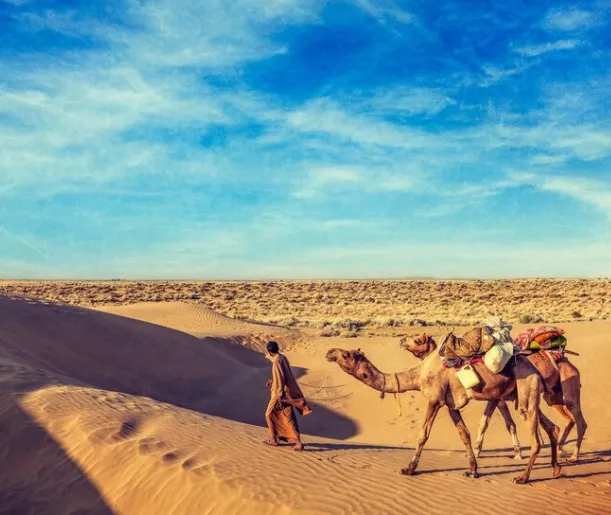
A popular way to explore the dunes is by camel. Travelers can ride into the desert around sunset, when the changing light creates striking colors across the sand.
The camel journey also provides a slower way to appreciate the surroundings. Away from busy roads and city life, the quiet atmosphere of the desert can be one of the most memorable parts of a Moroccan adventure.
After reaching the camp, travelers can enjoy traditional Moroccan food and relax in the desert environment. Depending on the accommodation, an evening may include local music or cultural activities.
An early morning start can provide another unforgettable experience as the first light appears over the dunes.
Experience Authentic Morocco Tours
While famous landmarks are an important part of any trip, many travelers want to experience the culture behind them. Authentic Morocco tours can provide opportunities to discover traditional lifestyles, local craftsmanship, regional cuisine, and communities away from the busiest tourist areas.
One way to experience Moroccan culture is through food. Traditional dishes such as tagine, couscous, pastilla, harira, and Moroccan salads reflect the country’s diverse culinary influences. Enjoying meals prepared locally can make the journey more personal and memorable.
Craftsmanship is another important part of Moroccan culture. Visitors may encounter artisans producing carpets, leather goods, pottery, textiles, metalwork, and other traditional products. Visiting a workshop or cooperative can provide insight into techniques that have been passed through generations.
Local guides can also add significant value to a tour by explaining the history, traditions, architecture, and customs of the communities along the route.
Mountains, Valleys, and Kasbahs
One of the advantages of traveling between Fes and Marrakech through the desert is the variety of landscapes encountered along the way.
The Middle Atlas Mountains offer forests, valleys, and mountain scenery before the route gradually transitions toward the desert.
Southern Morocco is also known for its historic kasbahs. These traditional fortified structures reflect the architectural heritage of the region and provide excellent opportunities for photography and cultural exploration.
The valleys of southern Morocco add another layer to the journey. Palm groves, agricultural settlements, dramatic rock formations, and traditional villages create a constantly changing landscape.
Eventually, travelers approach the High Atlas Mountains before descending toward Marrakech. The contrast between the desert and mountains makes this route particularly scenic.
How Long Should a Desert Tour Take?
The ideal length depends on your available time and travel preferences.
A shorter itinerary can cover the major highlights and include an overnight Sahara experience, but travelers should expect substantial driving. A longer itinerary allows more time to explore villages, valleys, kasbahs, and desert landscapes without rushing between destinations.
When comparing Fes to Marrakech desert tours, it is important to look beyond the number of days advertised. Consider the daily driving time, accommodation, activities, and amount of time allocated to sightseeing.
A well-balanced itinerary should provide enough time to enjoy the Sahara rather than treating it as simply an overnight stop.
Private and Group Desert Tours
Travelers can generally choose between private and shared group experiences.
Private tours offer greater flexibility. Travelers can often customize departure times, sightseeing stops, accommodation preferences, and activities according to their interests. This can be particularly useful for families, couples, and small groups.
Group tours can provide a more budget-conscious alternative while allowing travelers to meet people from different backgrounds. These tours generally follow a fixed schedule and itinerary.
Before booking, check exactly what the tour includes. Transportation, accommodation, meals, camel trekking, camp facilities, and guide services can vary between providers.
Best Time to Explore Morocco’s Desert
Morocco is a year-round destination, but weather conditions should be considered carefully when planning a Sahara journey.
Spring and autumn can offer comfortable conditions for traveling through cities, mountains, and desert areas. Winter generally brings pleasant daytime temperatures in the Sahara, although temperatures can fall significantly after sunset.
Summer can be very hot, especially in desert regions. Travelers visiting during the warmer months should prepare with suitable clothing, sun protection, and sufficient water.
Because temperatures can change considerably between day and night, layered clothing is useful regardless of the season.
Planning an Authentic Desert Experience
The best Morocco desert tours balance sightseeing with authentic cultural experiences. Rather than rushing through numerous destinations, consider an itinerary that gives you enough time to appreciate each region.
Look for tours that clearly explain the accommodation, transportation, activities, and daily schedule. If cultural experiences are important to you, consider itineraries that include local communities, traditional meals, artisan workshops, or knowledgeable local guides.
The quality of the desert camp is also worth considering. Travelers can choose from basic traditional camps to more comfortable luxury-style accommodations, depending on their preferences and budget.
Conclusion
Morocco desert tours offer far more than an opportunity to visit the Sahara. They provide a journey through some of Morocco’s most diverse landscapes, from the mountains and valleys to ancient kasbahs and golden desert dunes.
For travelers looking to combine two historic cities with a genuine desert adventure, Fes to Marrakech desert tours create an unforgettable route through the heart of Morocco. The journey offers opportunities to experience camel trekking, desert camps, mountain scenery, traditional villages, and historic architecture along the way.
Meanwhile, Authentic Morocco tours can make the experience even more meaningful by connecting travelers with local food, craftsmanship, traditions, and communities.
Whether you are drawn to Morocco for its culture, landscapes, history, or adventure, a carefully planned desert journey can reveal a side of the country that is difficult to experience through city sightseeing alone. From the ancient streets of Fes to the silence of the Sahara and the lively atmosphere of Marrakech, the journey itself becomes one of the highlights of your Moroccan adventure.