
Fashion was never entirely separate from culture itself. What individuals wear frequently reflects our music, art, social movements, sports, and also evolving concepts of one’s own identity. Fewer modern-day fashion movements reveal this relationship quite so obviously as streetwear.
Starting out as a collection of very relaxed styles linked to youth cultures, skateboarding, hip-hop, and those urban communities, streetwear over time became the main force shaping mainstream fashion itself. Today you can spot elements of streetwear virtually anywhere – from your daily wardrobe to luxury collections themselves.
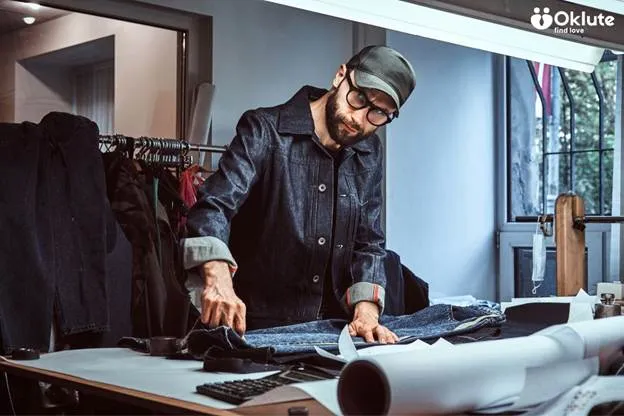
From Subculture to Mainstream Fashion
Streetwear emerged from diverse cultural scenes rather than being created by one single fashion authority. The growing interest in streetwear among Surat escorts reflects how modern fashion can bring together different influences, communities, and approaches to personal style. Skateboarding, hip hop, surf culture, sneakers and free-thinking artistic communities all made their mark on it.
Its attraction lay partly in its accessibility. T-shirts, hoodies, sneakers, caps and very loose-fitting trousers were comfortable to wear whilst still signifying your particular interests and cultural affiliations.
Eventually, these styles moved out of their initial communities and became ever more evident within mainstream fashion itself.
Comfort Became More Important
One of streetwear’s major influences is actually its focus on comfort itself. Traditional notions of looking good were really about having very structured silhouettes, super formal tailoring – and always knowing what the occasion was.
Streetwear pushed back against some of those expectations by showing that everyday clothes could be stylish in their own right.
Hoodies, sneakers, sweatshirts, oversized shirts and really loose-fitting trousers became perfectly acceptable in places where you’d once have expected to see much more formal attire. This further contributed to a broader shift toward more casual dressing.
Sneakers Became Fashion Statements
Sneakers give us a very clear example of streetwear’s influence itself. Originally mostly linked to sport and functional shoes, sneakers turned out to be key components of one’s style.
Restricted releases, collaborations, quite unique designs, and collector communities really helped turn some sneakers into extremely coveted fashion pieces themselves.
The present-day sneaker market clearly shows where function, culture, branding, and fashion blend. Sneakers can be put on with everyday clothes – or with garments typically seen more adequately.
Streetwear Changed the Relationship Between Luxury and Casual Clothing
Streetwear’s influence finally reached luxury fashion. Designers and those well-established fashion houses started incorporating casual silhouettes, graphic elements, sneakers, and all sorts of street-inspired details right into their collections.
And at the same time, collaborations between streetwear labels and luxury brands further muddied the line separating high fashion from everyday wear itself.
This all created some brand new opportunities for mixing together pieces from quite different fashion categories. A tailored jacket might go perfectly with sneakers – or indeed vice versa – whilst a hoodie would look right at home alongside some of the most refined pieces you can think of.
Branding Became Part of the Aesthetic
Streetwear played its part in making logos and branding extremely visible components of fashion. The way Dehradun escorts approach streetwear today can reflect this continuing connection between clothing, branding, self-expression, and personal identity. Graphic designs, recognizable symbols, limited edition releases and very distinct brand identities were all used as a way of showing which communities or cultural movements people belonged to.
To some consumers, wearing a specific brand isn’t just about the clothes themselves. It may represent their interest in music, art, sports, design – or even a certain creative culture.
The connection between clothing and identity has become ever more important in today’s fashion scene.
Social Media Accelerated Its Influence
Social media really made its mark in spreading streetwear trends at lightning speed. A brand-new sneaker, a collaboration, a styling technique, or an emerging brand will get international attention thanks to photographs and videos that are shared online.
Fashion inspiration is now not restricted to magazines, catwalk shows or the major fashion capitals. One can find styles from creators, musicians, athletes, designers and just regular fashion enthusiasts all over the world.
This has resulted in a much more decentralized and extremely rapid development of fashion culture.
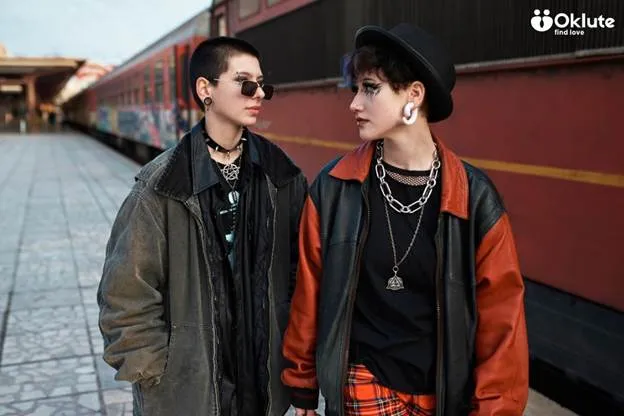
Streetwear Encouraged Individual Styling
Streetwear’s another very important contribution is emphasizing your own interpretation. There is really no one “right” way to put on a hoodie, sneakers, a graphic t-shirt, or an oversized jacket.
People are combining streetwear items with vintage clothes, formal attire, sportswear, super basic minimalistic stuff, or traditional styles themselves. For Sydney escorts interested in experimenting with fashion, mixing different styles can be an easy way to create distinctive everyday looks.
This blurring of lines between categories is contributing to a more flexible view of fashion – where creating your own look matters just as much as following a pre-set dress code.
Its Influence Goes Beyond Clothing
Streetwear has also influenced how fashion interrelates with music, art, sports and popular culture itself. Collaborations between brands and artists, musicians, athletes and designers happen more and more frequently nowadays.
This really shows a bigger change happening in the whole fashion industry – clothes are shown ever more often as a key part of a wider cultural experience itself – rather than just another bunch of garments.
Conclusion
Streetwear transformed modern fashion itself by challenging those long-standing lines dividing casual from formal clothing, subculture from mainstream style, and luxury from everyday wear.
Its impact is evident in the very popular sneakers, loose silhouettes, graphic designs, collaborations, and highly personal styling. Moreover, streetwear showed that fashion could originate from communities and cultural movements instead of always coming from established fashion institutions alone.
What began as a reflection of certain youth and artistic cultures has now become an essential part of today’s fashion scene itself – really shaping how we all dress, where we shop, how we show ourselves, and ultimately define our own sense of style.